Clifford Kubiak Guest Lecture Series: Part 1
Molecular Approaches to the Mechanism of CO2 Reduction to Methanol by Cobalt Phthalocyanine
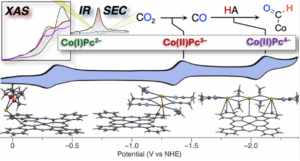 The electrochemical reduction of CO₂ is a promising route for converting carbon dioxide into combustible fuels. Cobalt phthalocyanine adsorbed on carbon nanotubes has emerged as a rare electrocatalyst capable of reducing CO₂ beyond two electrons to produce methanol, but important questions remain about the catalytic pathway, stability and selectivity.
This lecture will describe molecular studies using electrochemistry, spectroelectrochemistry, X-ray absorption spectroscopy, synthesis of catalytic intermediates and density functional theory calculations to probe the mechanism of CO₂ reduction by cobalt phthalocyanine. These studies show that the phthalocyanine ligand plays an active role in the catalytic process and identify key reduced complexes and intermediates, including a cobalt formyl species, that help clarify the first steps of methanol synthesis.
Get to know Clifford Kubiak
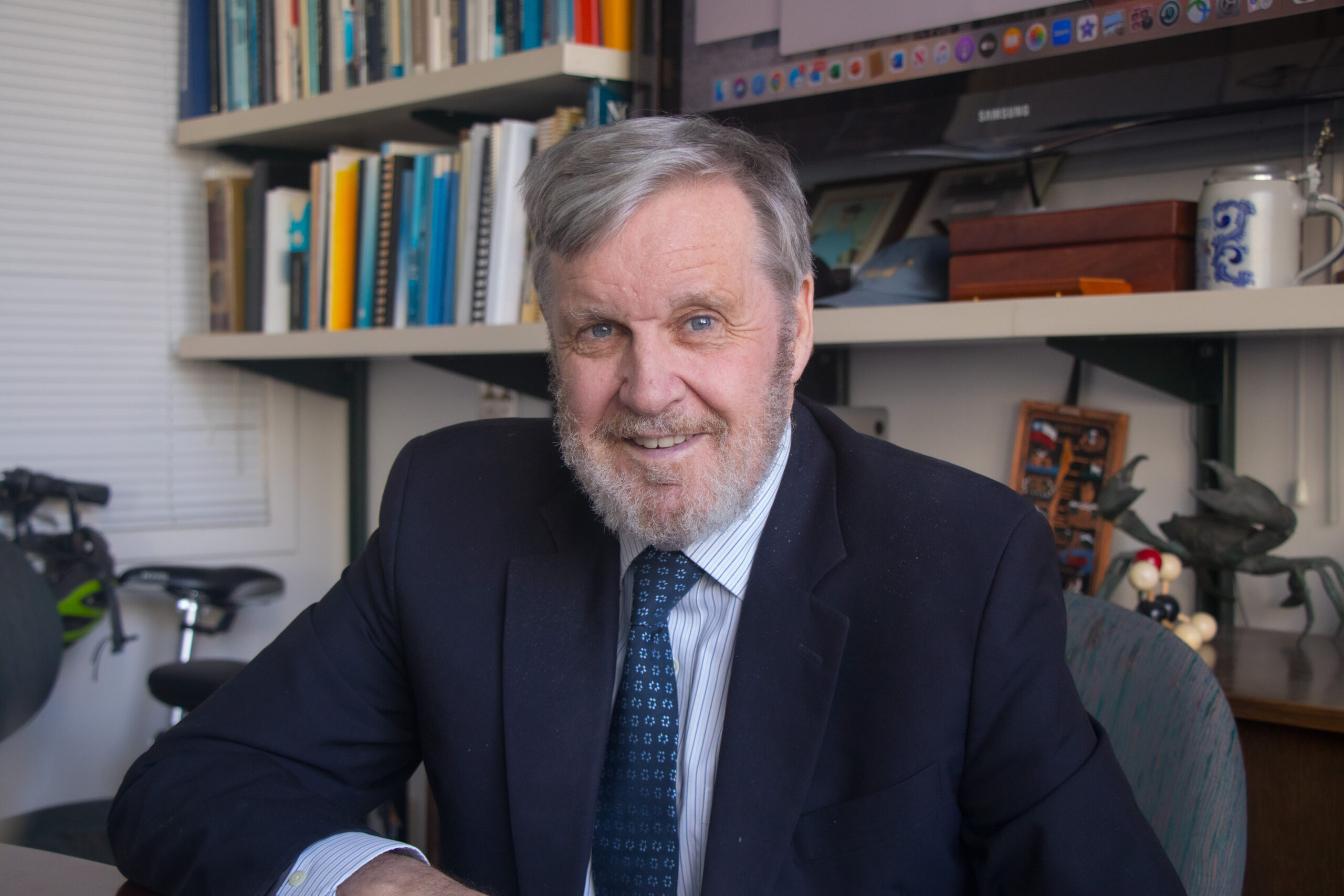
Clifford P. Kubiak is Distinguished Professor and the Harold C. Urey Chair in Chemistry at the University of California, San Diego. His research spans inorganic chemistry, physical chemistry and nanomaterials, with a longstanding focus on the chemistry, electrochemistry and photochemistry of carbon dioxide.
Since 1987, Kubiak’s group has studied the catalytic reduction of carbon dioxide, using spectroscopy and mechanistic studies to understand how electrocatalysts convert CO₂ into useful chemical products. He has led major multi-university research efforts on electrochemical CO₂ conversion and was a founding investigator and project leader of the Joint Center for Artificial Photosynthesis.
Kubiak has published more than 300 articles and has supervised more than 100 PhD students and postdoctoral researchers. He is a member of the American Academy of Arts and Sciences and the National Academy of Sciences.
Clifford Kubiak Guest Lecture Series: Part 1
- This event has passed.