2026 IIN Rosemary Schnell Symposium
Register Now
Registration for the 2026 symposium is now OPEN!
Click HERE to RSVP.
Light activates nanoparticles inside tumors, drives chemical reactions without heat, and allows scientists to image living tissue at cellular resolution without ever making a cut. On Thursday, October 15, 2026, the International Institute for Nanotechnology (IIN) brings together six of the world’s foremost nanoscientists for a full day of transformative talks, rigorous exchange, and cross-disciplinary energy that has always defined the IIN.
The 2026 IIN Rosemary Schnell Symposium takes place at the Hilton Orrington Hotel in Evanston, Illinois. This year’s program features researchers who have redefined what is possible in their areas of science, spanning nanophotonics, synthetic biology, single-molecule imaging, biomedical nanomaterials, and flexible electronics.
Check out the lineup below, and then save the date for an incredible event! Click below to add the 2026 IIN Rosemary Schnell Symposium to your calendar:
Click HERE to add to Google Calendar
Click HERE to add to Outlook Calendar
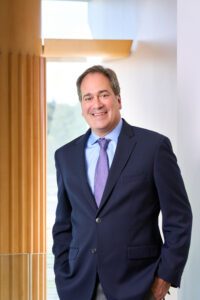
Hosted by Chad Mirkin; George B. Rathmann Professor of Chemistry; Director, IIN
Featured Speakers
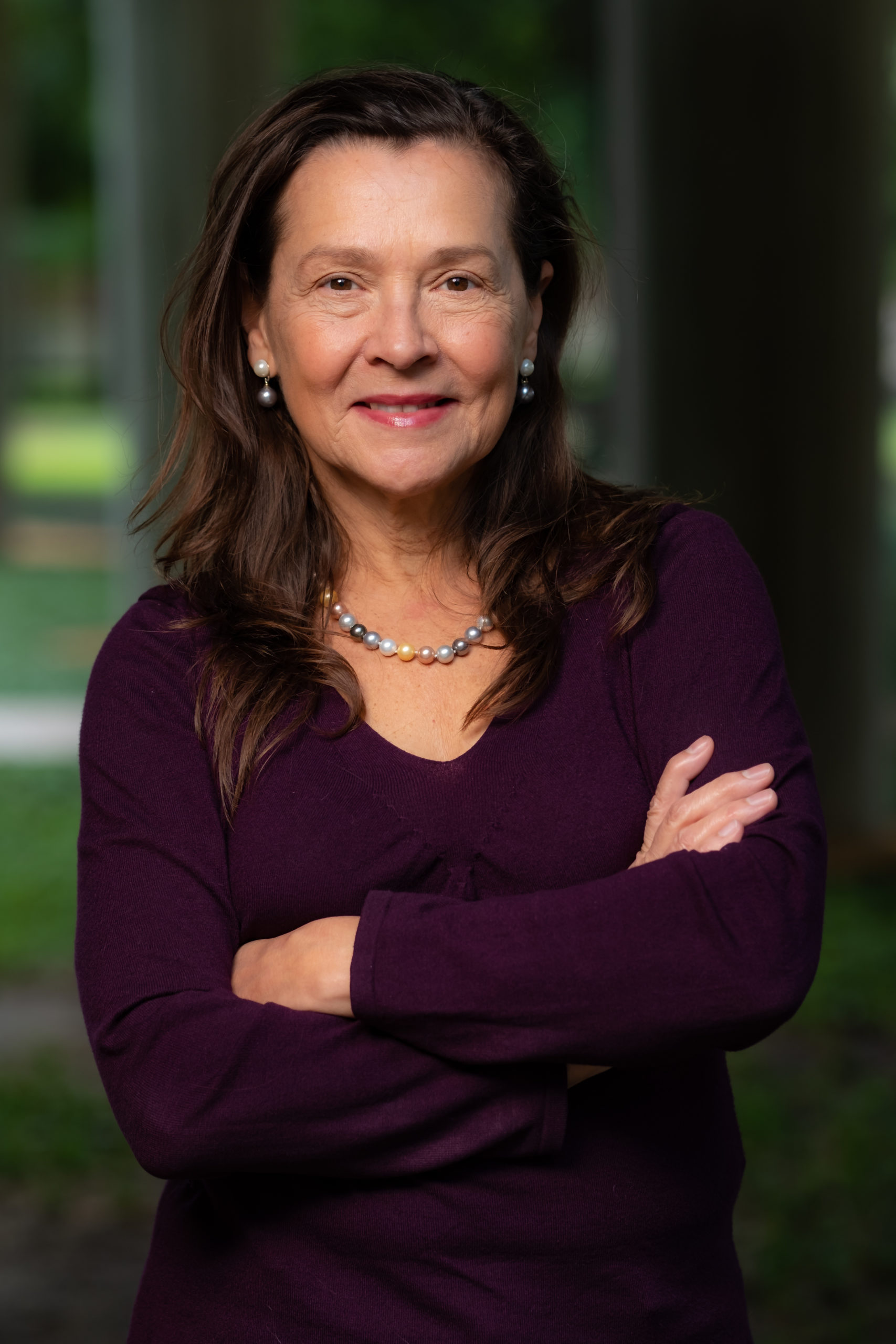
Naomi Halas – University Professor; Stanley C. Moore Professor of Electrical and Computer Engineering, Rice University; Director, Laboratory for Nanophotonics
Lecture: Nanotechnology + Machine Learning: Detecting and Identifying Toxins in our Environment and in Ourselves
We live on a contaminated planet, and identifying the chemicals responsible for that contamination has long been a bottleneck in understanding their effects on human health. This talk explores how surface-enhanced vibrational spectroscopy, paired with chemistry-aware machine learning, enables rapid identification of toxic chemicals in complex environmental and biological samples, including soil and the amniotic fluid of newborns, with applications to detecting molecules and microplastics.
Naomi Halas invented a class of nanoparticles whose optical properties could be dialed in by design. Her breakthrough, the discovery of the plasmonic nanoshell, launched the field of nanophotonics as we know it today and seeded a generation of applications in cancer therapy, chemical sensing, and solar-powered water purification. The first Rice faculty member ever elected to both the National Academy of Sciences and the National Academy of Engineering for work done at the university, she was awarded the 2025 Benjamin Franklin Medal in Chemistry and the 2024 Mildred Dresselhaus Prize from the American Physical Society.
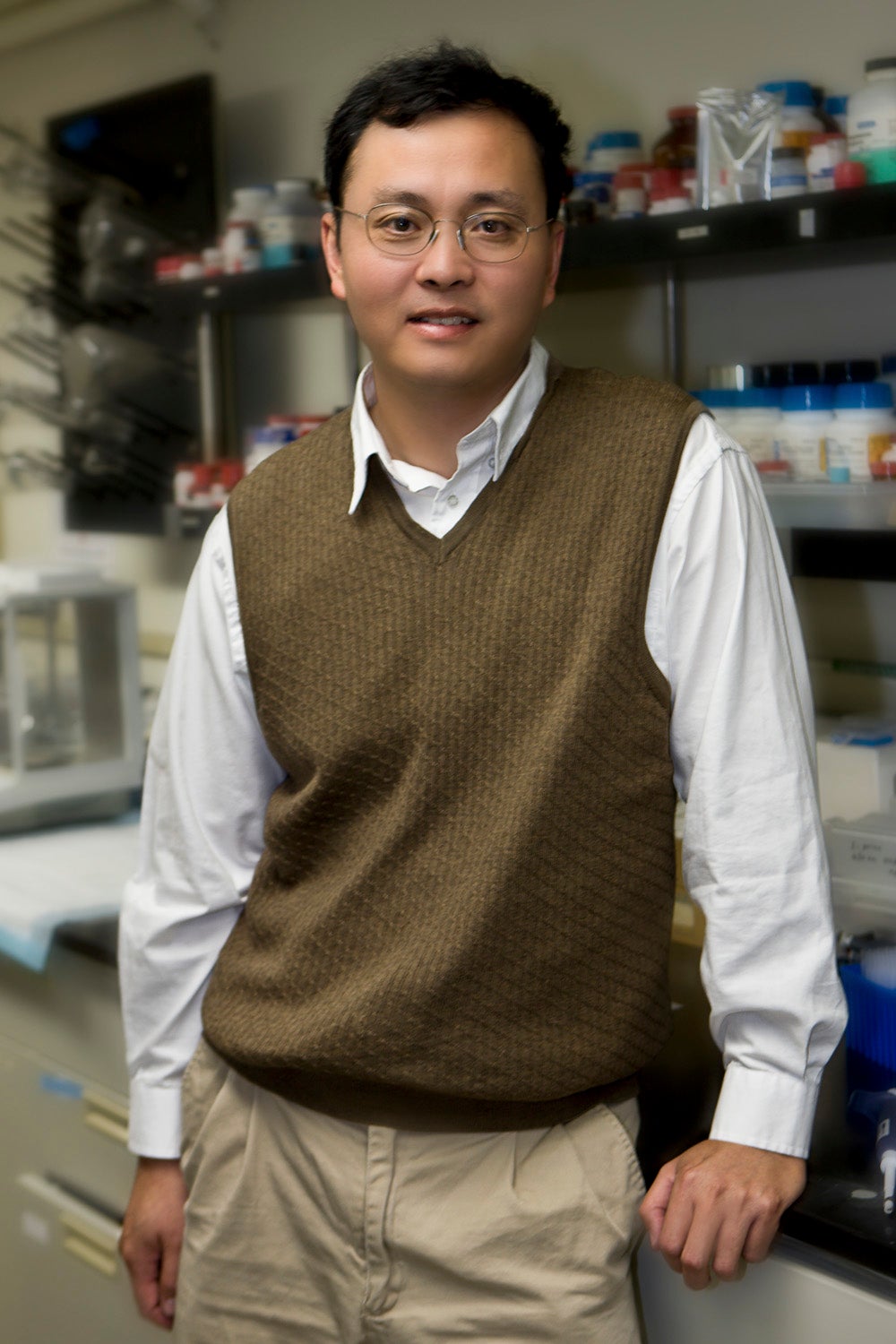
Hongjie Dai– J.G. Jackson and C.J. Wood Professor of Chemistry, Emeritus, Stanford University
Lecture: Biomedical Fluorescence Imaging in the SWIR/NIR-II Window
When Dai’s lab at Stanford first demonstrated NIR-II fluorescence imaging in 2009, it opened a window into living tissue that scientists had not previously had access to. Nearly two decades later, this talk traces that field from its origins to its current clinical frontier, including new light sheet and confocal microscopy tools capable of sub-centimeter tissue depth and single-cell resolution, a hand-held NIR-II imager developed for surgical guidance, and a highly biocompatible NIR dye now in production at kilogram scale.
For over three decades at Stanford, Hongjie Dai’s lab has produced foundational work in carbon nanotube synthesis, electrocatalysis, energy storage, and biomedical imaging, often opening subfields that other researchers spend years exploring. His development of near-infrared-II fluorescence imaging gave scientists a way to see deep into living tissue in real time, with implications still unfolding in neuroscience and oncology. A member of the National Academy of Sciences and the American Academy of Arts and Sciences, Dai is a recipient of the ACS Pure Chemistry Award, the APS James C. McGroddy Prize for New Materials, and the 2017 NIH Director’s Pioneer Award.
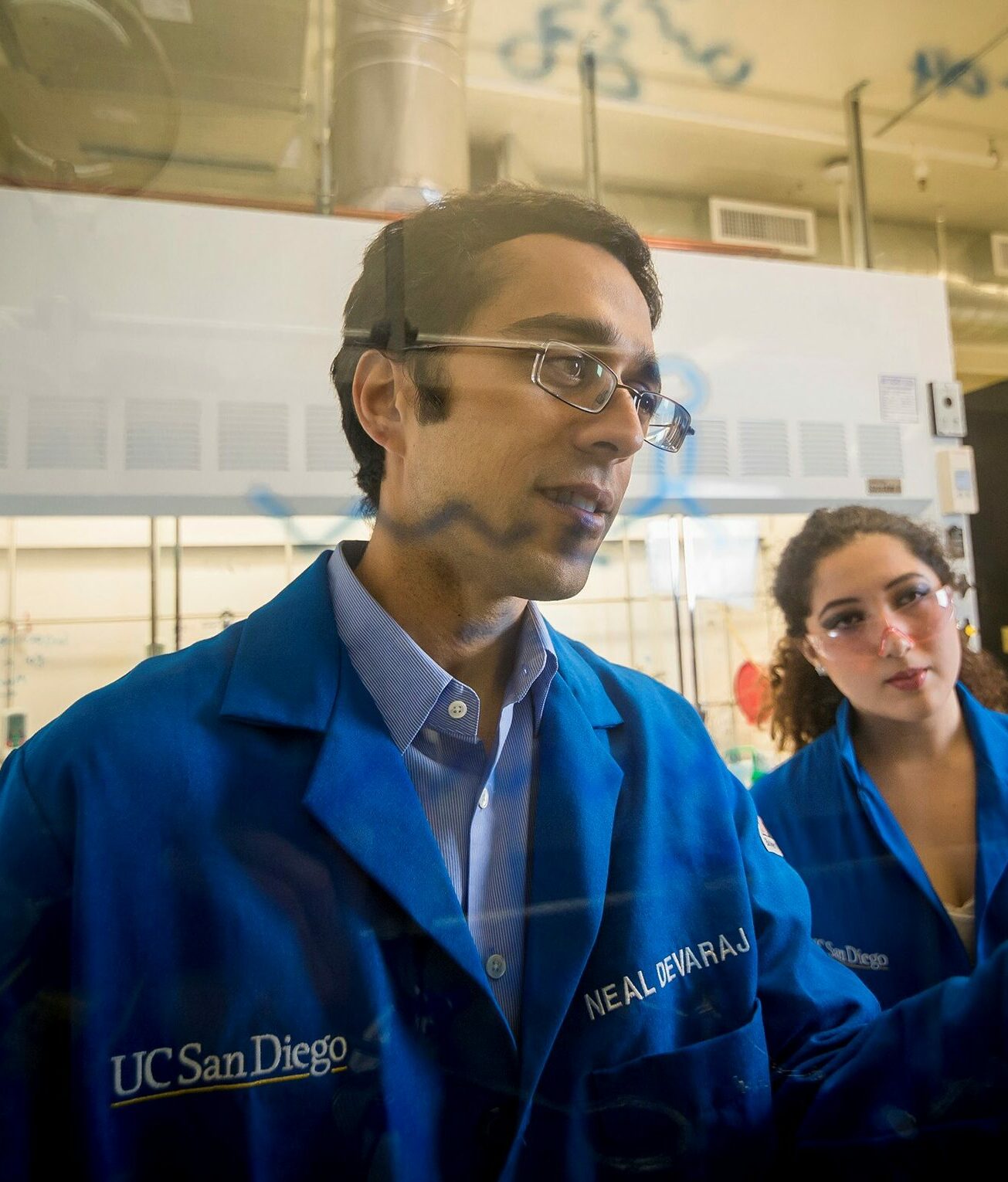
Neal Devaraj – Professor of Chemistry and Biochemistry; Murray Goodman Endowed Chair; Chair, Department of Biochemistry and Molecular Biophysics, UC San Diego
Lecture: RNA-Directed Assembly of Functional Nanostructures
RNA is well known for its roles in information storage and catalysis, but its potential as a template for directing the assembly of synthetic materials has been largely untapped. This talk highlights recent work from the Devaraj lab harnessing RNA-directed chemical reactions to generate programmable nanoscale architectures with defined composition and function, opening new strategies at the intersection of nanotechnology and synthetic biology.
Neal Devaraj’s lab works on one of chemistry’s most consequential unsolved problems: how simple molecules organize themselves into living systems. His group at UC San Diego synthesized the first artificial cell membrane capable of continuous, self-directed growth, demonstrating that the chemistry underlying life’s origins may be more accessible than previously thought. His tetrazine-based bioorthogonal reactions have since become standard tools for labeling and imaging molecules inside living cells. He is a 2018 Blavatnik National Award Laureate in Chemistry and has received the ACS Award in Pure Chemistry and the Eli Lilly Award in Biological Chemistry.
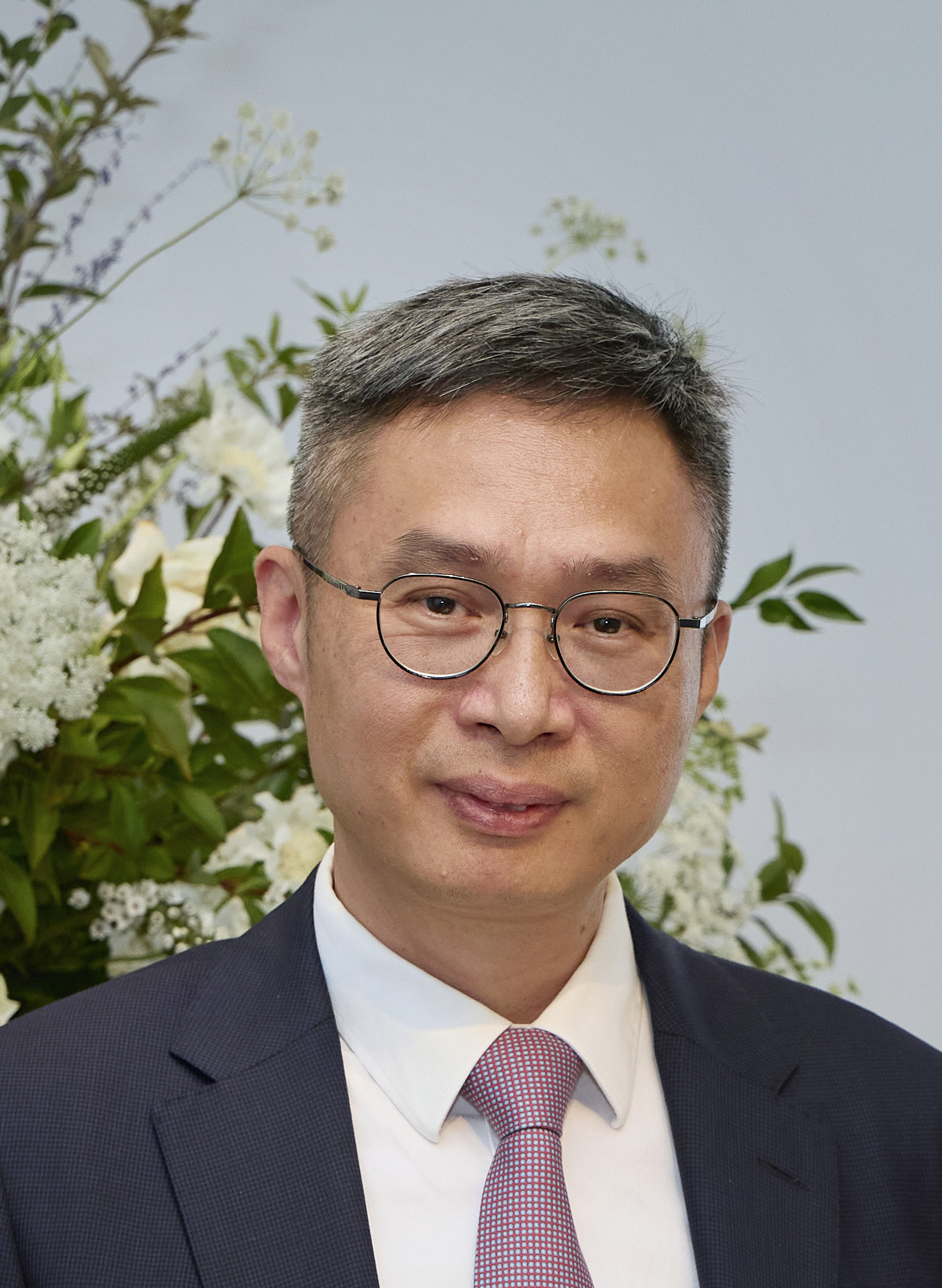 Xiaodong Chen – Distinguished University Professor, Nanyang Technological University, Singapore; Editor-in-Chief, ACS Nano
2023 IIN Kabiller Young Investigator Award recipient
Lecture: Conformal Bioelectronic Interfaces
The next frontier in human-machine interfaces depends on electronics that can integrate seamlessly with the body, sensing and digitizing physiological signals without losing function under mechanical deformation. This talk examines the materials chemistry that makes conformal bioelectronic interfaces possible, addresses the fundamental principles underlying their design, and takes on the challenges that remain before their full potential can be realized in practice.
Xiaodong Chen’s lab at NTU, Singapore develops soft, mechanically adaptive materials that interface with the body, sense physiological signals, and process information in ways that rigid electronics cannot. A Fellow of the Royal Society and a member of the German National Academy of Sciences Leopoldina, Chen also holds the Singapore President’s Science Award, the Dan Maydan Prize in Nanoscience and Nanotechnology, and the Kabiller Young Investigator Award. He completed his PD training in Chad Mirkin’s laboratory at Northwestern, which makes his return to the IIN stage particularly fitting.
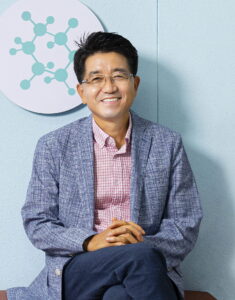 Taeghwan Hyeon – Director, Center for Nanoparticle Research, Institute for Basic Science; SNU Distinguished Professor, Seoul National University
Lecture: Designing Single-atom Catalysts and Nanocatalysts for Green Hydrogen Production
Scaling hydrogen production from lab benchtop to practical deployment requires catalysts that are not only active but durable and affordable. This talk covers Hyeon’s group’s work developing single-atom catalysts and nanocatalysts for that challenge, including a floatable photocatalytic platform for solar hydrogen generation and new approaches to improving ruthenium catalyst durability in acidic water electrolysis. Also featured: AI-driven discovery methods, including active machine learning on small datasets and a cross-breeding neural network that identified a best-performing multimetallic catalyst for alkaline hydrogen production.
Taeghwan Hyeon solved a problem that had stalled the field for years: how to synthesize nanoparticles that are truly uniform in size, reliably and at scale. His heat-up process, introduced in a landmark 2001 paper in the Journal of the American Chemical Society, gave researchers a practical, generalizable method and effectively established inorganic nanomaterials synthesis as a discipline. He has published over 500 papers with more than 130,000 citations and was named a Clarivate Citation Laureate in 2020. He is a member of the U.S. National Academy of Engineering and a recipient of the Presidential Best Scientist Award and the Samsung Hoam Prize, South Korea’s two highest scientific honors.
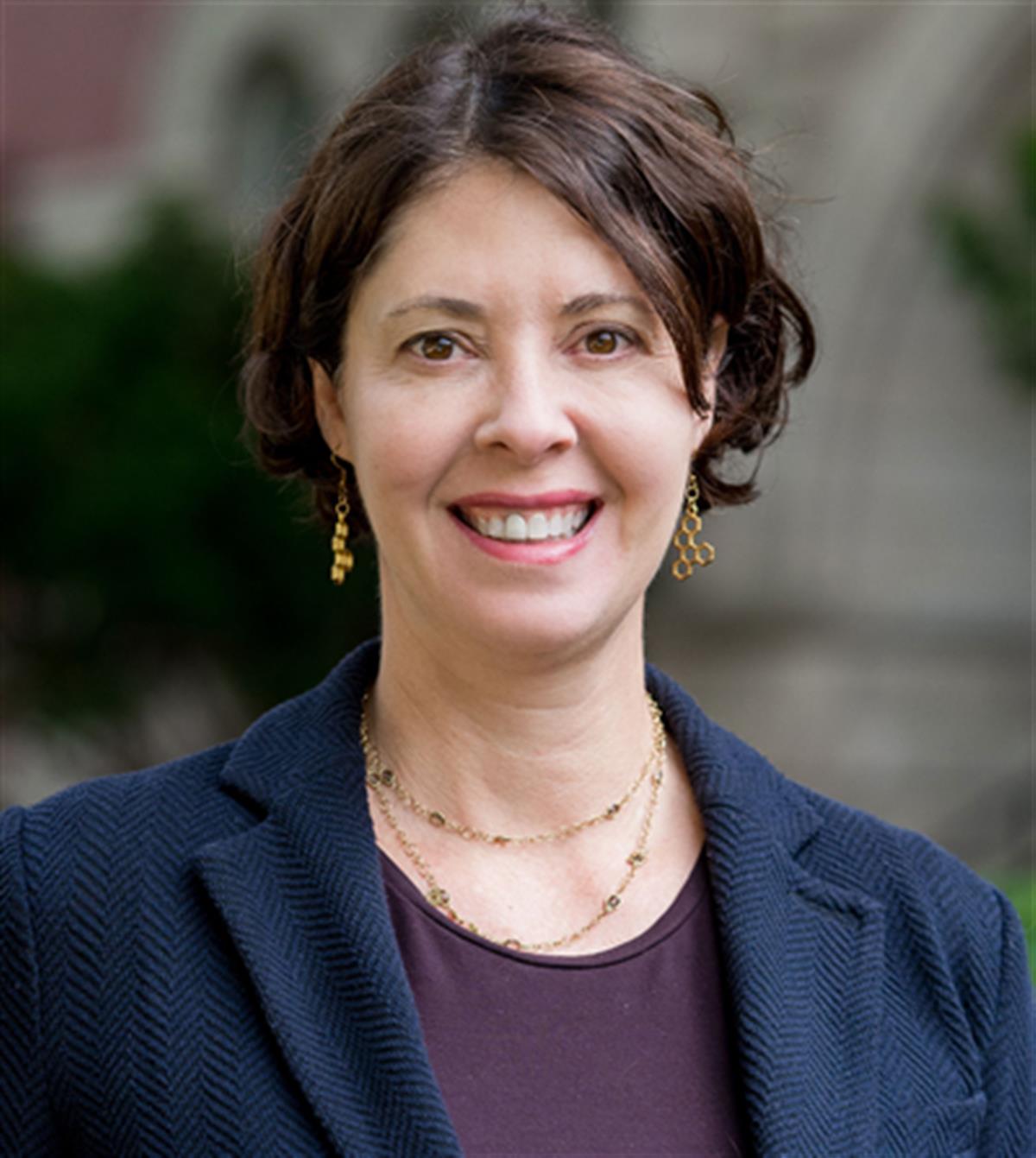
Christy Landes – Jerry A. Walker Endowed Chair in Chemistry; Professor of Chemistry, University of Illinois Urbana-Champaign
Lecture: Optimizing Mass, Charge, and Energy Transfer in Hybrid Plasmonic Nanomaterials
Plasmonic nanoparticles absorb light efficiently, but turning that absorbed energy into precise chemistry before it dissipates as heat is an unsolved challenge. Using hyperspectroelectrochemical microscopy, this talk examines how gold nanorods can drive and monitor local polymerization reactions at the single-particle level, revealing energy-transfer efficiencies exceeding 50% and untangling the competing relaxation processes that govern photocatalysis in plasmonic systems.
Christy Landes builds the instruments and methods that let scientists watch chemistry happen one molecule at a time. Her work in single-molecule spectroscopy and super-resolution imaging has produced tools that are now used to study protein behavior at interfaces, ion transport through polymers, and the dynamics governing chromatographic separations. By imaging separations at the single-analyte limit, her group has generated insights beginning to inform how biopharmaceuticals are purified at industrial scale. She is a Fellow of the American Chemical Society, a 2019 Kavli Fellow of the National Academy of Sciences, and the recipient of the 2023 Kinosita Award in Single-Molecule Biophysics from the Biophysical Society.
Thank you to our event sponsors!
Support from our sponsors makes it possible to offer this event to all attendees at no charge.